




The Enduring Legacy of Marathi Saint Literature and Maharashtra’s Cultural Evolution
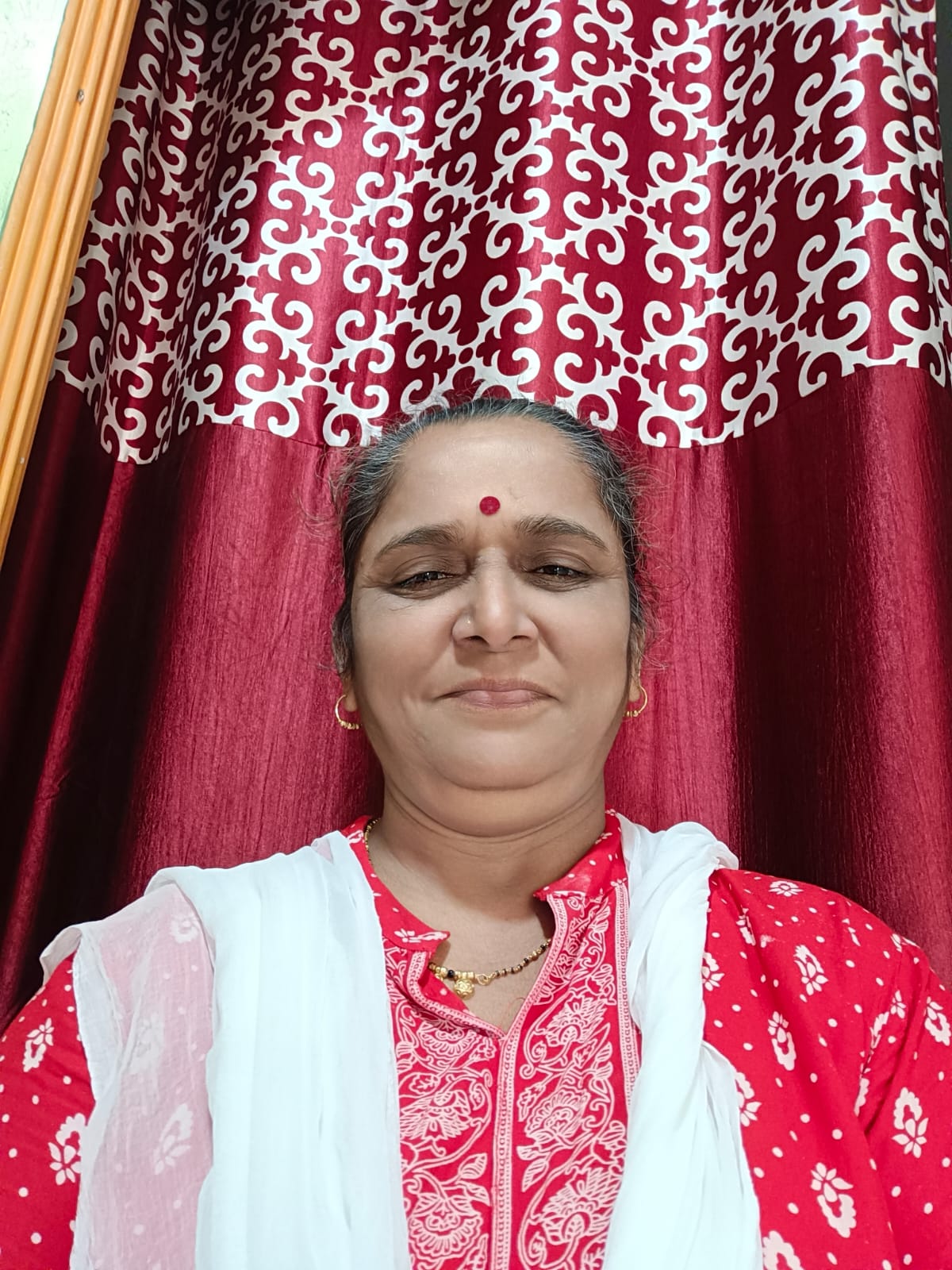
By Dr. (Mrs.) Aruna Ravindra Waghole, Associate Professor and Head of the History Department, Ma. Balasaheb Jadhav Arts, Commerce & Science College, Ale, Taluka Junnar, District Pune
Marathi, the language of the people of Maharashtra, carries a literary and cultural history that stretches back more than a millennium. Emerging around the 7th century AD, Marathi gradually evolved into a refined linguistic medium, particularly after the 12th century when written literature began taking form. Works such as Mukundaraj’s Vivek Sindhu, Mhaimbhat’s Lilacharitra, and Sant Dnyaneshwar’s Dnyaneshwari cemented Marathi as a language of philosophical depth and devotional expression. Sant Dnyaneshwar, whose writings elevated the language to lyrical excellence, remains a central figure in this evolution.
Over the centuries, the Warkari tradition, a Bhakti movement rooted in devotion to Lord Vitthal of Pandharpur, emerged as one of Maharashtra’s most influential spiritual forces. It was not founded by any single individual; instead, it grew organically through the collective devotion of common people. Its intellectual and emotional foundations trace back to Sant Dnyaneshwar’s Bhavarth Deepika, while later saints such as Namdev, Eknath, and Tukaram enriched the tradition through their abhangas, philosophical writings, and personal examples. During the era of Tukaram, the movement became more organized and played a significant role during the rise of Swarajya. In Maharashtra’s Bhakti landscape, these four saints stand as the core pillars of spiritual literature and social reform.
Historically, Maharashtra was shaped by various tribes and dynasties, including the Mauryas, Satavahanas, Shilaharas, Yadavas, Chalukyas, and Rashtrakutas. These powers contributed immensely to the region’s cultural and religious heritage. Anyone who lived in Maharashtra and spoke Marathi came to be identified as a Maratha. Scholars have proposed several theories regarding the origin of the Maratha community. Historian V.V. Vaidya suggested that Marathas arose from a blend of Aryan Kshatriyas and Nag tribes. Shankar B. Joshi traced the term to Kannada roots—mar (forest) and hatta (region)—forming Marhatta, later becoming “Maratha.” Historian Rajwade linked the name to an ancient tribe called “Ratta” residing in this region. Justice Ranade further observed that Marathas represent a mixed group shaped by both indigenous and external influences such as the Shakas.
Through centuries of spiritual evolution, saint literature profoundly shaped Maharashtra’s social ethos. It conveyed timeless teachings from the Vedic era to the Bhakti period, guiding people toward happiness, peace, and moral clarity. It made religious and philosophical knowledge accessible to the common people in their own language. The movement helped reduce the harshness of caste-based discrimination, uplifting marginalized communities and granting them greater dignity.
The Bhakti tradition also strengthened the family and social structure, particularly within the Gṛhasthashram (householder stage), elevating the status and respect accorded to women. Historical inscriptions from the Satavahana period, such as those at Naneghat, reveal women actively participating in administrative and religious duties. Queens like Naganika performed significant rituals and even conducted the Ashwamedha Yagya alongside their husbands, reflecting a remarkable socio-cultural status.
Saint literature emphasized compassion, equality, and mutual support while discouraging excessive ritualism. It reminded society that devotion grounded in love holds greater value than outward ceremonies. Social life during these periods remained simple and balanced, divided between worldly responsibilities and spiritual pursuits. People sought meaning through pilgrimages, study, and service rather than material excess. Each caste adhered to its traditional occupation, fostering interdependence rather than rivalry.
The teachings and writings of Marathi saints also laid the philosophical foundation for the creation of Hindavi Swarajya in later centuries. Even today, despite modern lifestyles and contemporary influences, echoes of saint literature continue to resonate in everyday conversations, especially among the elderly, who naturally incorporate abhangas, ovis, and verses into their speech. This enduring presence affirms not only the literary excellence of the saint tradition but also its continued relevance in shaping cultural identity and social harmony in the 21st century.
************************