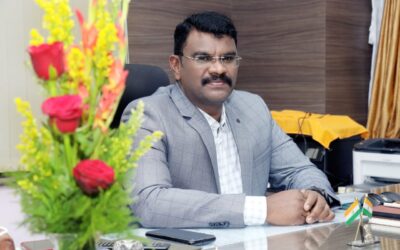



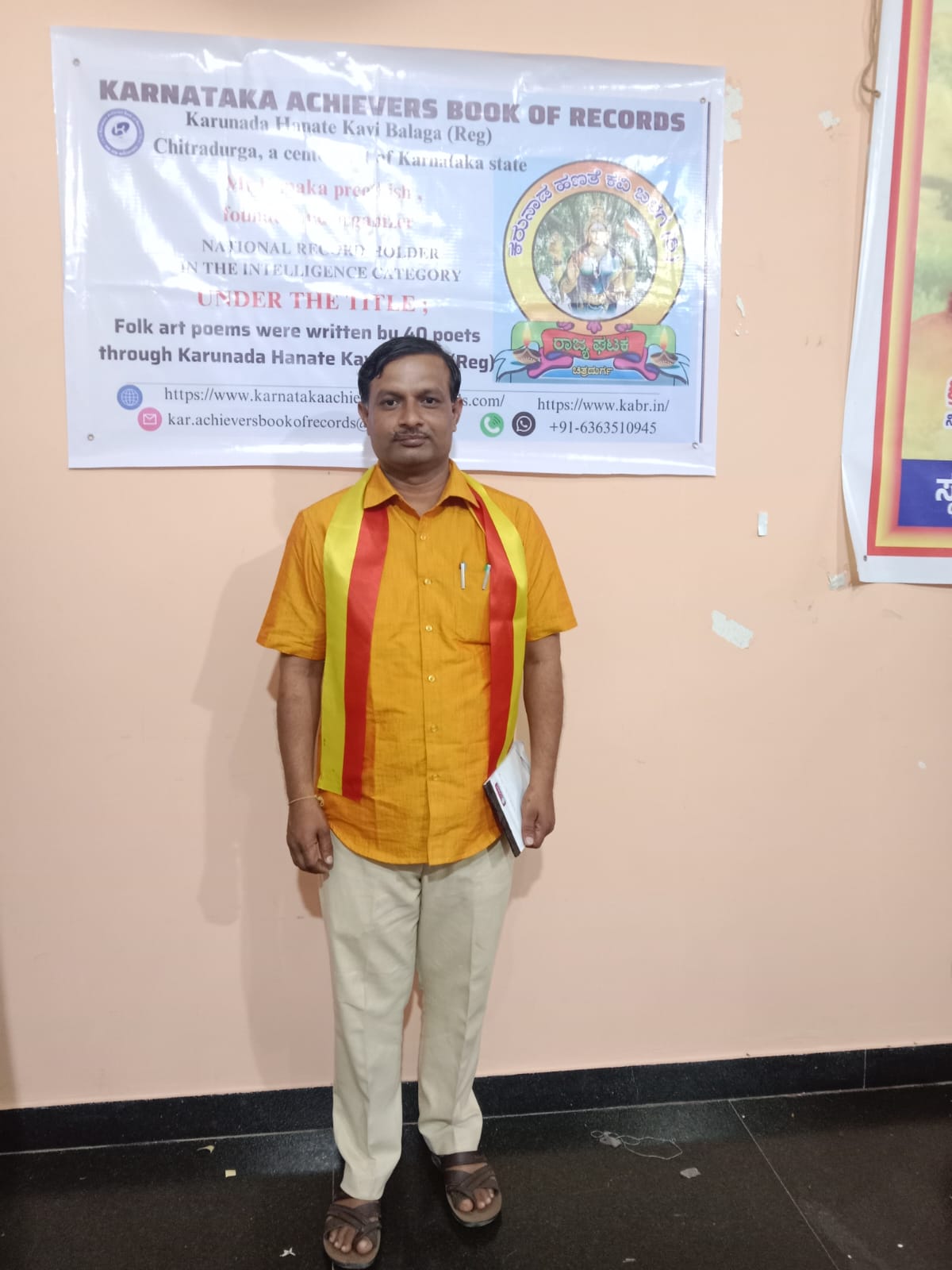
Dr. Surendra Swami Bevinahalli, founder of the Ranga Gangootri Shadow Puppet Art Team, is widely regarded as one of Karnataka’s most dedicated custodians of shadow puppetry and folk theatre. A poet, theatre artist, and master puppeteer, he has committed his life to preserving Thogalugombe—an ancient shadow puppetry tradition that faces the threat of gradual extinction. Through sustained artistic discipline and unwavering devotion to his craft, he continues to uphold and revitalize a cultural legacy deeply rooted in India’s heritage.
A devoted disciple of Nadoja Belagallu Veeranna, one of Karnataka’s most revered puppetry exponents, he refined his artistry under the guidance of his guru and later through the mentorship of Sri Belagallu Prakash. Following the path laid down by his mentors, he emerged as a prominent torchbearer of shadow puppetry and traditional folk theatre, carrying forward techniques and narratives passed down through generations.
A defining milestone in his career came when he was selected by the Sangeet Natak Akademi, New Delhi, as part of his guru’s troupe to represent India at the first International Puppet Festival in Yangon, Myanmar. Performing on a global stage alongside his mentors remains one of his most cherished achievements. Over the years, he has delivered hundreds of performances at national and state-level festivals, captivating audiences and earning recognition from cultural institutions across the country.
Born in Bevinahalli village in Koppal district, he rose from humble beginnings marked by severe economic hardship. Born into a Jangam family to Sanna Mallaiah and Lalithamma, he witnessed firsthand the struggles of ritual-based livelihoods sustained through modest means. Despite drought-driven displacement and financial instability, he pursued his education through government schools in Ballari and Sandur. He later graduated with First Class from Sri Gavisiddeshwar College, Koppal. The untimely demise of his father interrupted his academic journey, compelling him to shoulder family responsibilities, yet his determination to continue learning remained steadfast.
He subsequently earned a Master’s degree from Manasagangothri, Mysore, and undertook advanced research at Kannada University. His scholarly work, titled “Use of Kannada Language in Administration – Problems and Challenges,” was completed under the guidance of Dr. Ashoka Kumar Ranjere. In recognition of his academic contributions, he was conferred an honorary doctorate.
Theatre heritage runs deep in his lineage. His grandfather was associated with the Bayalata open theatre tradition, his grandmother participated in the freedom struggle against the Razakars, and his father served as a Bayalata story coordinator. Growing up in this culturally vibrant environment, he naturally gravitated toward theatre, poetry, and performance arts.
Over the course of his career, he has acted in 83 plays, portraying diverse characters across genres. Bellary theatre shaped his early artistic foundation, particularly during his eight-year association with the Rangathorana Theatre Group. His artistic evolution further strengthened under the mentorship of his guru’s trust, Sri Ramanjina Thogalugombe Mela.
Committed to safeguarding puppetry for future generations, he founded Ranga Gangotri Kala Tanda, through which he trains emerging artists and conducts workshops in government schools. By introducing live demonstrations and interactive sessions, he ensures that children engage with this traditional art form at the grassroots level.
Among his most celebrated productions is the puppet show “Bapuji (Gandhi),” written and directed by his guru. Broadcast on Chandana TV and performed internationally in seven countries, the production has surpassed 10,000 shows, including its historic presentation in Myanmar.
Today, he stands as a guardian of India’s intangible cultural heritage, transforming personal adversity into artistic excellence while ensuring that shadow puppetry continues to educate, inspire, and endure.
*************************