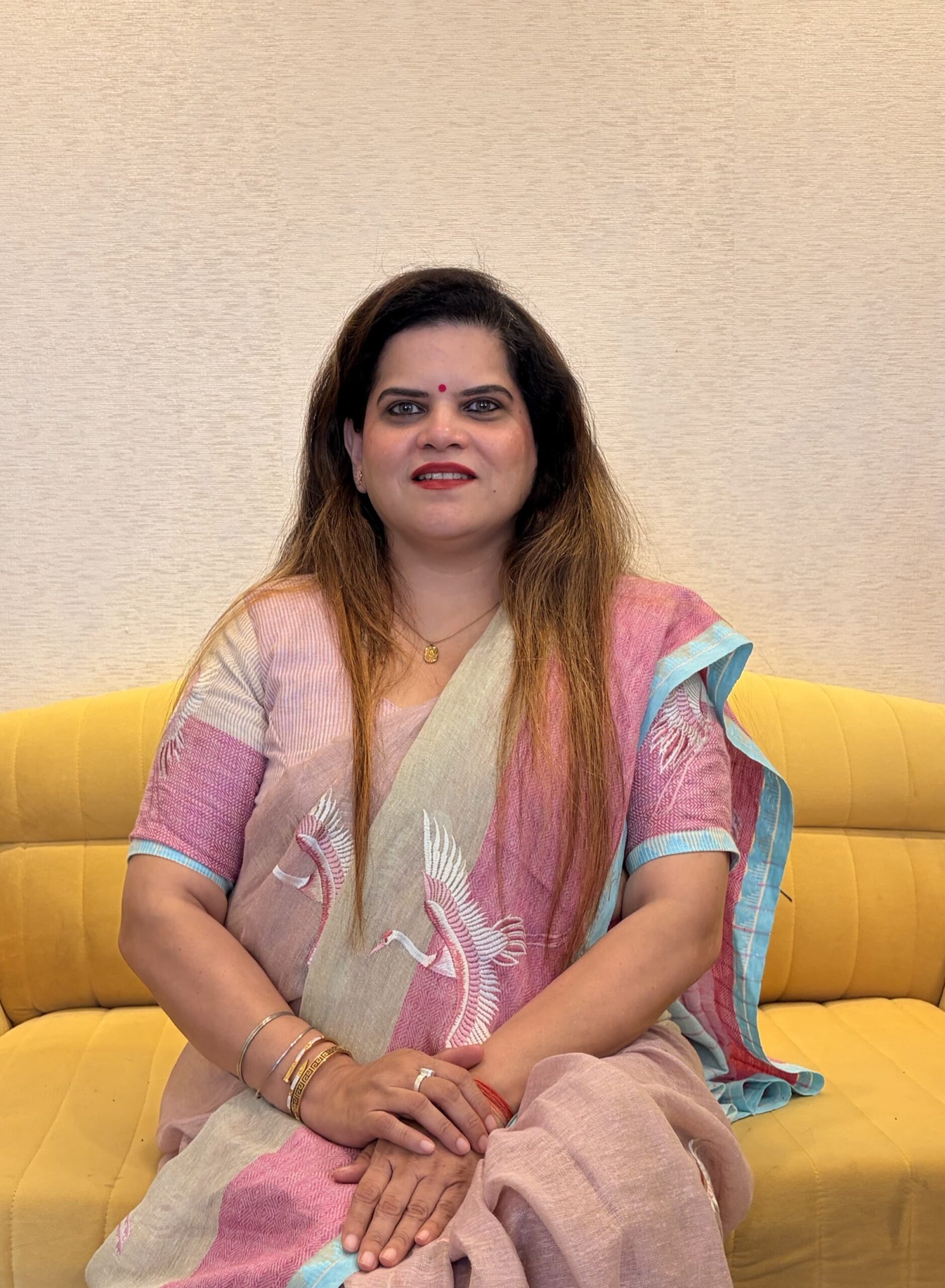





Mr. Tambor Lyngdoh, a veteran conservationist from Meghalaya, has devoted more than three decades to safeguarding forests while empowering indigenous communities through grassroots leadership. Widely respected for his contribution to environmental sustainability, his work reflects a powerful integration of traditional ecological knowledge and modern conservation practices. Over the years, he has emerged as a key figure in promoting community-led environmental stewardship across Northeast India.
His journey gained prominence between 1996 and 2011 during his tenure as Secretary of his local governing body, known as the Hima. During this period, he initiated transformative conservation practices that would later define his legacy. Among his earliest contributions were the revival of a sacred grove, the introduction of eco-tourism, and the mobilization of local communities in forest protection efforts. These initiatives demonstrated his belief that conservation must be deeply rooted in community participation and cultural values.
Building on this foundation, he established Synjuk, an organization dedicated to strengthening grassroots conservation efforts. At the same time, his leadership as President of the Village Forest Council since 2001 enabled him to scale his initiatives across wider regions. Through sustained engagement, he has contributed to the protection of nearly 3,000 hectares of dense forests and the regeneration of approximately 9,000 hectares of degraded land. His work has mobilized 86 villages in the East Khasi Hills under the Khasi Hills Community REDD+ Project and 27 villages in Ri Bhoi district, with additional outreach extending to villages in Manipur and Mizoram.
A defining milestone in his career has been his leadership in implementing India’s first REDD+ project, a United Nations-supported initiative aimed at reducing emissions from deforestation and forest degradation. Through this effort, he brought together ten indigenous governing bodies, creating one of the few community-managed REDD+ models in Asia. His inclusive approach engaged women, farmers, and youth across more than 100 villages, ensuring that conservation efforts were both participatory and sustainable.
His initiatives have also focused on creating alternative livelihood opportunities. Women previously dependent on charcoal production transitioned to eco-friendly income sources, while the distribution of alternative fuels to over 7,700 households significantly reduced dependence on forest resources. Fire prevention strategies, including the construction of man-made fire lines, further safeguarded forest areas. These measures reflect his holistic vision, where environmental protection is closely linked with community well-being.
His leadership style is rooted in trust, collaboration, and empowerment. He began his leadership journey at the age of 17 when he was elected Secretary of his village. During this time, he secured government support for infrastructure development and livelihood improvement, setting the tone for his lifelong commitment to public service. His collaborative spirit has also extended to academia, where he has supported more than 30 researchers from India and abroad in their environmental studies.
The outcomes of his work are evident in both ecological and socio-economic transformation. Restored forest ecosystems have improved water quality, reduced soil erosion, and enhanced groundwater retention. At the same time, local youth have gained skills that contribute to employment and long-term sustainability. Satellite observations confirm significant forest regeneration across a 27,000-hectare watershed influenced by his initiatives.
In addition to conservation, he has promoted sustainable tourism practices, particularly in sacred groves such as Mawphlang. By introducing structured visitor guidelines, including mandatory guided tours and designated pathways, he has ensured ecological preservation while generating income for local communities.
Serving as a Member of the Wildlife Conservation Committee and as Wildlife Warden of East Khasi Hills since 2015, he continues to influence regional conservation strategies. Recognized with the NatWest Green Warrior Award in 2020, he remains a leading advocate of community-based conservation.
*******************************************