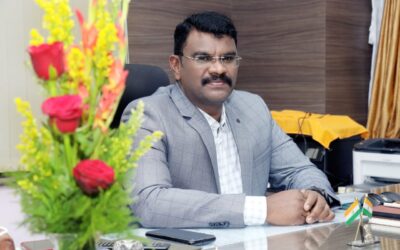


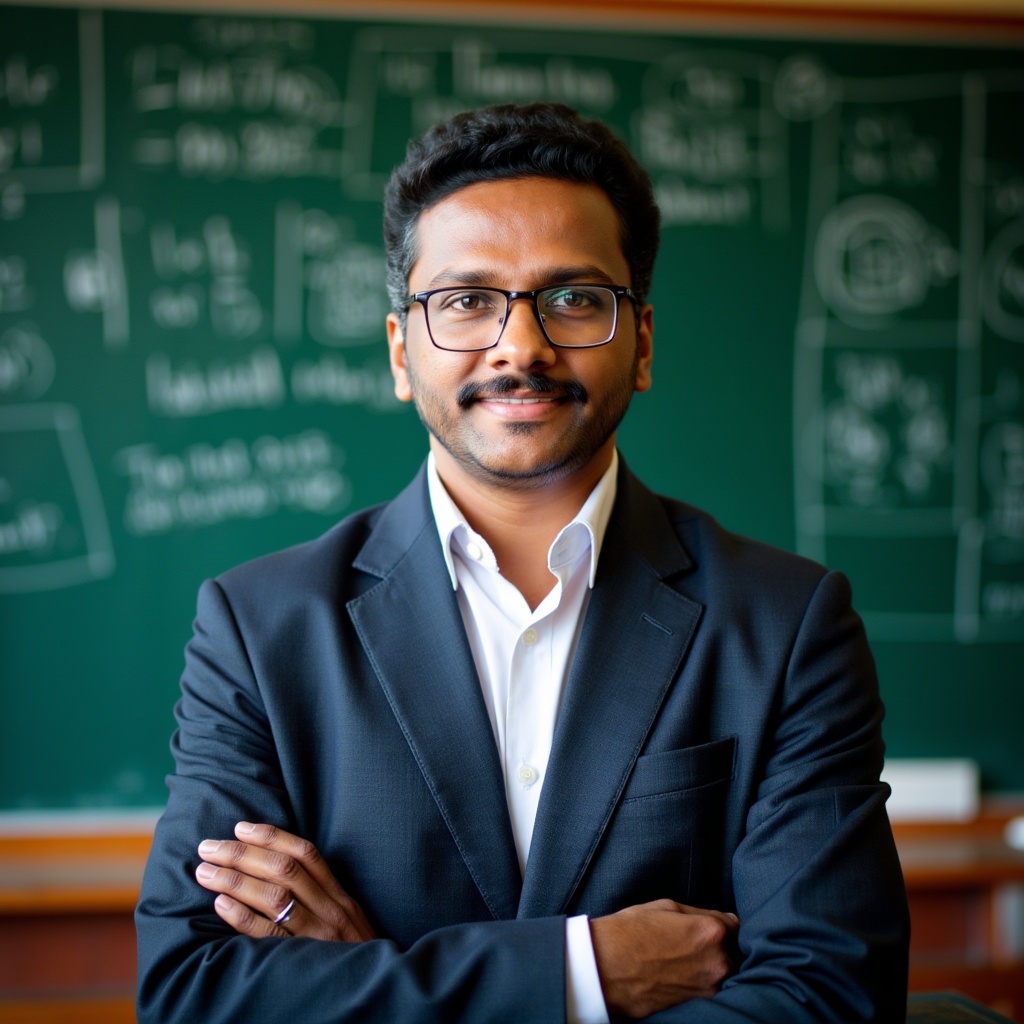
Anoop Babu, a Senior Cooperative Auditor from Kothamangalam, Kerala, is redefining the boundaries between profession and passion through an extraordinary blend of finance, literature, and creative strategy. In an era where careers often dictate identity, he has emerged as a multifaceted personality—balancing his responsibilities in public service with an expanding presence in contemporary Indian literature and thought leadership. His journey reflects not a conventional career trajectory but a deliberate integration of intellect, imagination, and introspection.
Rooted in Kerala’s culturally rich landscape, he grew up shaped by discipline and curiosity in equal measure. While his professional life was grounded in numbers, compliance, and accountability, his creative instincts found expression in storytelling and poetry. Over time, he cultivated a philosophy that views each milestone not merely as an achievement, but as a ritual of self-elevation. This perspective has become central to both his literary voice and personal evolution.
His entry into the national literary spotlight came with his novel The Doctor’s Dilemma: AI Meets Human, which received the Golden Book Award in 2025. The work positioned him among pioneering Indian authors exploring the intersection of artificial intelligence and human ethics. By weaving medical dilemmas, emotional complexity, and emerging AI paradigms into a cohesive narrative, he demonstrated an ability to interpret technological transformation through a deeply human lens. The novel was widely regarded as a significant contribution to India’s emerging AI-augmented literary movement.
He further strengthened his literary presence with the Malayalam poetry collection Ninnilekk Nadannethumpol, which earned a nomination for the Golden Wings Book Award 2026. Although he later withdrew from the nomination due to personal commitments, the recognition affirmed his growing influence within contemporary Malayalam literature. His poetry reflects lyrical sensitivity while engaging with modern existential themes, bridging tradition and innovation.
Beyond authorship, he is recognized for his strategic communication acumen. Whether crafting book blurbs, keynote speeches, brand narratives, or social media messaging, he combines clarity with poetic resonance. His writing style merges Malayalam lyricism with structured modern narrative architecture, enabling him to connect with diverse audiences. This ability to move seamlessly between creative expression and structured analysis distinguishes him as both a storyteller and a strategist.
His recent work, The God Algorithm, represents a bold expansion of his intellectual horizon. Released across major publishing platforms, the book integrates philosophical inquiry, analytical reasoning, and speculative imagination. More than a standalone novel, it signals his long-term ambition to develop a unifying framework that synthesizes creativity, finance, spirituality, and human potential. Through this work, he continues to explore the evolving relationship between technology and consciousness.
Parallel to his literary pursuits, he is shaping a lifestyle aligned with his creative philosophy. He is currently curating a new residence near his hometown, approaching every detail—from design aesthetics to technological integration—as an extension of his artistic vision. For him, living spaces are not merely functional environments but intentional ecosystems designed to nurture intellectual and creative growth.
His financial outlook, which he describes as “Audit to Abundance,” reflects resilience and reinvention. After facing a significant financial setback, he recalibrated his approach by embracing disciplined wealth-building principles inspired by contemporary financial literature. Today, he views wealth as structured architecture—an outcome of long-term vision, strategic planning, and mindful execution rather than mere accumulation.
What ultimately distinguishes him is his integrated approach to life and work. He treats writing as meditation, professional discipline as empowerment, and challenges as catalysts for growth. By engaging with artificial intelligence as a collaborative creative partner, he also represents a new model of co-authorship in Indian literature.
Through this synthesis of audit precision and artistic exploration, he continues to craft not just books, but a multidimensional legacy rooted in creativity, resilience, and purposeful evolution.
************************