




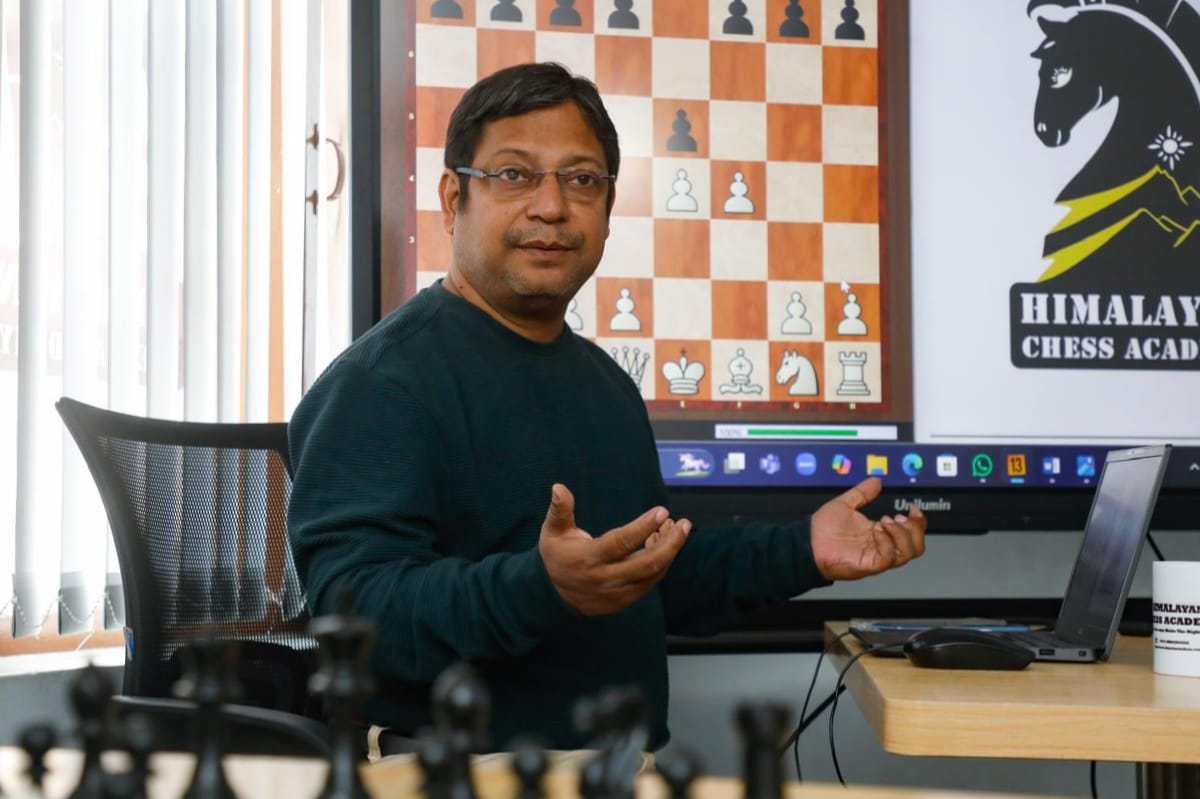
Atanu Lahiri, an International Master of Chess and Commonwealth Chess Championship gold medalist, has built a career distinguished by competitive excellence and global coaching leadership. Over the years, he established himself not only as a formidable tournament player but also as a respected mentor within international chess circles. In a rare achievement attained by only a select few, he has served as the National Chess Coach for six different countries, underscoring his depth of expertise and international credibility.
His early professional journey reflected the aspirations of many elite players. Titles, ratings, and medals defined his rise through competitive chess, earning him recognition on the global stage. His gold medal performance at the Commonwealth Chess Championship further cemented his reputation as a high-caliber competitor capable of excelling under pressure. As opportunities expanded, he was positioned to consolidate his success through elite coaching assignments and continued professional advancement.
However, at a pivotal stage in his career, he chose a path that diverged from conventional measures of achievement. Rather than focusing exclusively on personal accolades and financial growth, he redirected his efforts toward social impact. Stepping back from the pursuit of higher ratings and competitive milestones, he committed himself to working with disadvantaged communities across India and Nepal.
Through grassroots initiatives, he began traveling to remote villages, tribal regions, urban slums, and under-resourced schools. In many of these areas, children had never encountered a chessboard before his arrival. Without seeking remuneration, he introduced them to the fundamentals of the game, framing chess not merely as a sport but as a cognitive and character-building tool.
He regards chess as an instrument for intellectual empowerment. The discipline required to calculate variations, anticipate consequences, and maintain emotional composure fosters critical thinking and resilience. In communities shaped by economic hardship and limited access to structured extracurricular activities, such skills can significantly influence academic and personal development. By teaching children to think strategically and patiently, he aims to cultivate habits that extend beyond the 64 squares of the board.
His outreach has yielded tangible social transformation. In tribal communities and among underprivileged girls, he has observed notable improvements in concentration, communication, and self-confidence. Students who initially struggled with focus gradually developed analytical clarity. Young girls, often constrained by social norms, discovered a merit-based environment where intellect determined outcomes. Chess became a platform for equality, enabling them to compete on equal footing regardless of background.
His efforts have also extended into Nepal, where he collaborated with schools in underserved regions to integrate chess into educational activities. The objective remains consistent: to equip children with structured thinking skills that empower them to shape their own futures. By embedding chess within learning environments, he promotes cognitive development alongside academic instruction.
This transition has required personal sacrifice. High-profile coaching roles and financially rewarding engagements were consciously set aside. Travel expenses, equipment procurement, and logistical arrangements often demanded personal commitment and support from well-wishers. Yet he evaluates success through a different lens. For him, achievement is reflected in a child’s first confident explanation of a tactical idea or the visible growth in discipline and self-belief.
In an era when professional success is frequently measured by earnings and visibility, his journey presents a compelling counter-narrative. While he earned titles and honors on the competitive circuit, his enduring contribution lies in nurturing human potential. By leveraging chess as a vehicle for empowerment, he continues to shape minds across India and Nepal, demonstrating that true mastery extends beyond victory to meaningful societal impact.
***********************