

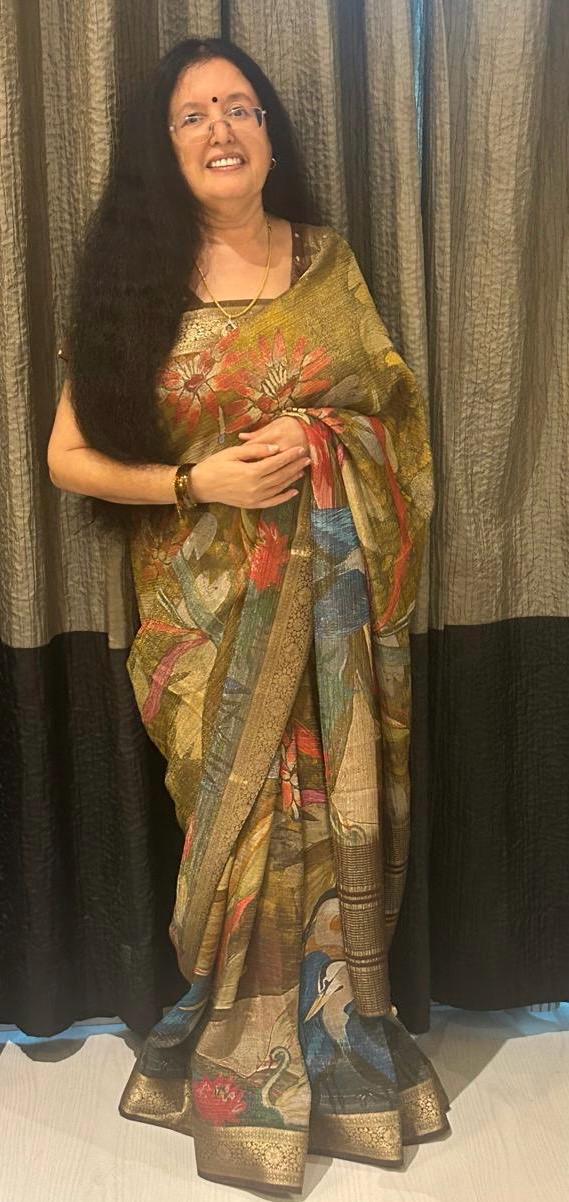
Dr. Chandra Prasad serves as the Honorary Co-Founder of three major charitable institutions in Tamil Nadu dedicated to the care, education, and rehabilitation of persons with intellectual disabilities and underprivileged children. Collectively, these centres support nearly 600 beneficiaries every day, offering comprehensive services entirely free of cost. Through sustained commitment and structured community engagement, she has helped build an ecosystem that integrates healthcare, education, and vocational empowerment for some of society’s most vulnerable groups.
One of the flagship institutions under her guidance is the Pathway Centre for Rehabilitation and Education of the Intellectually Disabled, located in Thiruvanmiyur, Chennai. Established in 1975 under the Dr. Dathu Rao Memorial Charitable Trust, the centre operates as a voluntary, non-profit organization committed to empowering children and adults with intellectual and developmental disabilities. Founded on the principle that every individual deserves dignity and the opportunity to achieve their fullest potential, it has become a respected institution in the field of special education and rehabilitation.
Currently, more than 50 children receive full residential care at the centre, while approximately 100 others attend daily therapy and educational programs. Over the past five decades, more than 40,000 individuals with diverse disabilities have benefited from its services. Each child admitted undergoes detailed assessments of mental, neurological, and physical development. Based on these evaluations, individualized education and vocational training plans are designed to address specific needs.
The centre provides a broad spectrum of services, including special education, speech therapy, audiology, physiotherapy, occupational therapy, pediatric and neurological consultations, psychiatric outpatient care, dental services, and structured residential and daycare facilities. Pre-vocational and vocational training, yoga sessions, literacy programs, recreational therapy, and employment support further enhance long-term rehabilitation outcomes. In addition, nearly 4,500 economically disadvantaged patients receive free medical and dental care every month, while around 150 children from nearby slum communities benefit daily from educational assistance. Operating from a dedicated 10,000-square-foot facility, the centre has received commendations from both State and Central Government authorities for its sustained contributions.
Another significant initiative is the Pamela Martinez Pathway Matriculation School and Children’s Home, established in 2001 in Agili, Maduranthakam Taluk, Chengalpattu District. Spread across a 60-acre campus and named after its donor, the institution serves destitute, orphaned, and economically disadvantaged children, including many from single-parent families. Recognized by the Directorate of Matriculation Schools, Chennai, it provides English-medium education from Standards I to X.
The campus features well-equipped laboratories for science subjects, a computer lab, and an extensive library. Separate residential facilities for boys and girls, along with a hygienic kitchen and spacious dining hall, ensure a supportive living environment. Nutritious vegetarian meals are planned under professional supervision. The school maintains a non-discriminatory admission policy, welcoming students irrespective of religion or caste, and extends financial support to deserving candidates pursuing higher education. Each year, more than 200 children from below-poverty-line families benefit from this institution.
The third pillar of her philanthropic engagement is the Pathway Sabin Home for Persons with Intellectual Disability and Associated Conditions, inaugurated in 2009. Spread over five acres, this residential facility provides specialized care for individuals with intellectual disabilities, cerebral palsy, autism, and related conditions. More than 50 adult male residents currently reside there, receiving special education, vocational training, occupational therapy, physiotherapy, and recreational support.
Agricultural activities on campus promote partial self-sufficiency and create meaningful vocational opportunities for residents and members of surrounding communities. The centre also runs community-based rehabilitation programs in nearby villages, extending its impact beyond institutional boundaries.
Across these three institutions, her leadership continues to uphold a vision grounded in compassion, inclusivity, and professional excellence, enabling vulnerable individuals to live with dignity, independence, and renewed hope.
************************